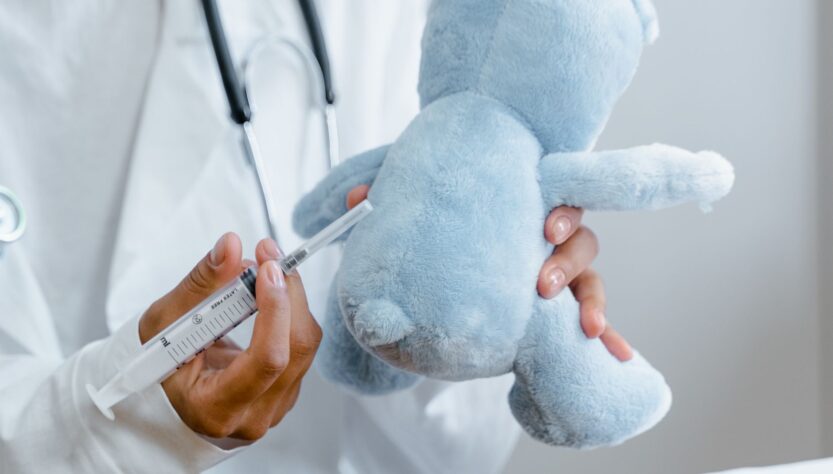
RSV vaccine for infants has been prequalified by the WHO, marking a significant step in safeguarding young lives against serious respiratory infections.
What is the RSV Vaccine for Infants?
The RSV vaccine for infants is a groundbreaking development in pediatric healthcare, designed to protect the most vulnerable population from respiratory syncytial virus (RSV). RSV is a common virus that can lead to severe respiratory illness in infants and young children, often resulting in hospitalization. In recent years, research has focused on creating effective vaccines to mitigate the impact of this virus.
The World Health Organization (WHO) recently announced the prequalification of a multi-dose RSV vaccine vial, marking a significant milestone in the effort to safeguard infants against RSV. This vaccine aims to provide immunity during the critical early months of life when infants are particularly susceptible to severe RSV infections.
Key features of the RSV vaccine for infants include:
- Multi-dose formulation: Allows for better distribution and accessibility in various healthcare settings.
- Proven efficacy: Clinical trials have shown promising results in reducing the incidence of RSV-related hospitalizations.
- Safety profile: The vaccine has been well-tolerated in infants, with minimal side effects reported.
As the rollout of the RSV vaccine for infants begins, healthcare providers and parents alike are optimistic about its potential to significantly reduce the burden of RSV in young children.
How Does the RSV Vaccine Work?
The RSV vaccine for infants is designed to provide immune protection against respiratory syncytial virus (RSV), which is a common cause of severe respiratory illness in young children. This vaccine works by stimulating the infant’s immune system to recognize and fight the virus effectively.
When administered, the RSV vaccine introduces a harmless component of the virus into the body, prompting the immune system to produce antibodies. These antibodies remain in the body and can quickly respond to an actual RSV infection if it occurs. This process of immunization helps to reduce the severity of the illness and the risk of hospitalization.
Key features of how the RSV vaccine operates include:
- Immune Response: The vaccine triggers a robust immune response, enabling the body to create memory cells that can respond to future RSV infections.
- Multi-Dose Administration: The prequalified multi-dose vial allows for easy distribution and administration, ensuring that more infants receive the vaccine.
- Targeted Protection: Designed specifically for infants, the vaccine addresses their unique vulnerabilities to respiratory illnesses.
Ultimately, the RSV vaccine for infants aims to provide a proactive approach to protecting the youngest and most vulnerable members of our communities from severe RSV complications.
Benefits of the RSV Vaccine for Infants
The introduction of the RSV vaccine for infants brings several significant benefits that aim to enhance the protection of vulnerable populations. As respiratory syncytial virus (RSV) poses a serious threat to infants, the vaccine offers an essential line of defense against severe illness and hospitalization.
Among the notable benefits of the RSV vaccine for infants are the following:
- Reduced Hospitalizations: Studies indicate that vaccination can lead to a substantial decrease in hospital admissions due to RSV-related complications.
- Protection for High-Risk Infants: The vaccine is particularly crucial for premature infants and those with underlying health conditions, providing them with tailored protection.
- Community Immunity: Widespread vaccination can contribute to herd immunity, protecting not only vaccinated individuals but also those who cannot be vaccinated.
- Long-Term Health Benefits: By preventing severe RSV infections, the vaccine may reduce the risk of long-term respiratory issues in affected infants.
Overall, the RSV vaccine for infants represents a groundbreaking step towards safeguarding the health of the youngest members of our society, significantly reducing the burden of respiratory illnesses associated with RSV.
WHO’s Role in Vaccine Prequalification
The World Health Organization (WHO) plays a critical role in ensuring that the RSV vaccine for infants is safe and effective for global use. Recently, the WHO prequalified a multi-dose RSV vaccine vial, which is a significant milestone in pediatric healthcare. This prequalification process involves rigorous evaluation of the vaccine’s quality, safety, and efficacy. By meeting these stringent criteria, the vaccine can be made available to countries around the world, especially in regions where respiratory syncytial virus (RSV) poses a significant health threat to young children.
The WHO’s prequalification ensures that healthcare providers can trust the vaccine’s reliability, thereby increasing its adoption in national immunization programs. This is crucial since infants are particularly vulnerable to severe RSV infections, which can lead to hospitalization or even death.
Furthermore, the WHO’s endorsement helps facilitate the procurement of the vaccine by various governments and organizations, ensuring that adequate supplies are available. This initiative not only prioritizes the health of infants but also aims to reduce the overall burden of RSV-related illnesses in healthcare systems worldwide.
In summary, the WHO’s role in the prequalification of the RSV vaccine for infants is essential in promoting global health standards and protecting the most vulnerable populations.
Photo by Tima Miroshnichenko on Pexels